For decades, Malaysian prime time was dictated by satellite schedules, decoder boxes, and living room dominance. Today, Malaysian audiences have entirely fragmented their viewing habits, seamlessly blending Malay, English, Mandarin, Tamil, and Korean programming across multiple personal screens. The catalyst? A massive influx of affordable, high-quality Asian streaming apps that understand local viewing contexts better than Western giants.
In this comprehensive DimSum News guide, we break down the infrastructure enabling this shift, profile the major Over-The-Top (OTT) platforms dominating local screen time, and analyze how micro-payments and e-wallets are fueling the subscription economy from Kuala Lumpur to Kota Kinabalu.
The Infrastructure Catalyst: Fibre and 5G Penetration
The rise of regional streaming in Malaysia isn't solely about better content; it is a direct result of rapidly maturing telecommunications infrastructure. You cannot binge a 40-episode historical epic in 1080p on a crowded train without a robust network.
Unifi, Time, and the JENDELA Initiative
The expansion of national fibre optic networks has transformed household viewing. With providers like Unifi and Time offering highly affordable 100Mbps to 500Mbps packages, multiple family members can now stream separate HD video feeds concurrently without buffer anxiety. The living room TV might play Netflix, while smartphones in the bedrooms stream WeTV and Viu.
The 5G Rahmah Era
On the mobile front, aggressive 5G rollouts and government-backed initiatives like Pakej 5G Rahmah have removed the data caps that previously made mobile streaming a luxury. Prepaid users on CelcomDigi, Maxis, and U Mobile now have access to massive data pools, shifting the viewing paradigm from "download at home, watch on the go" to instant, on-demand streaming anywhere.
The Heavyweights: Mapping the Malaysian OTT Landscape
While Netflix remains a premium staple for global originals, the actual volume of daily watch hours is heavily contested by regional Asian platforms. Here is how the market is currently segmented:
1. Viu: The Localization King
Operated by PCCW, Viu has arguably the strongest grasp on the Southeast Asian commuter demographic. It operates on a freemium model that is incredibly popular in Malaysia. Viu's core strength lies in its lightning-fast turnaround for Korean drama simulcasts, often providing high-quality subtitles within hours of the original broadcast.
Beyond K-dramas, Viu has heavily invested in "Viu Originals"—local Malaysian productions featuring top-tier local talent, appealing directly to the Malay-speaking demographic that might otherwise default to traditional linear TV.
2. WeTV (Tencent Video): The Mandarin Powerhouse
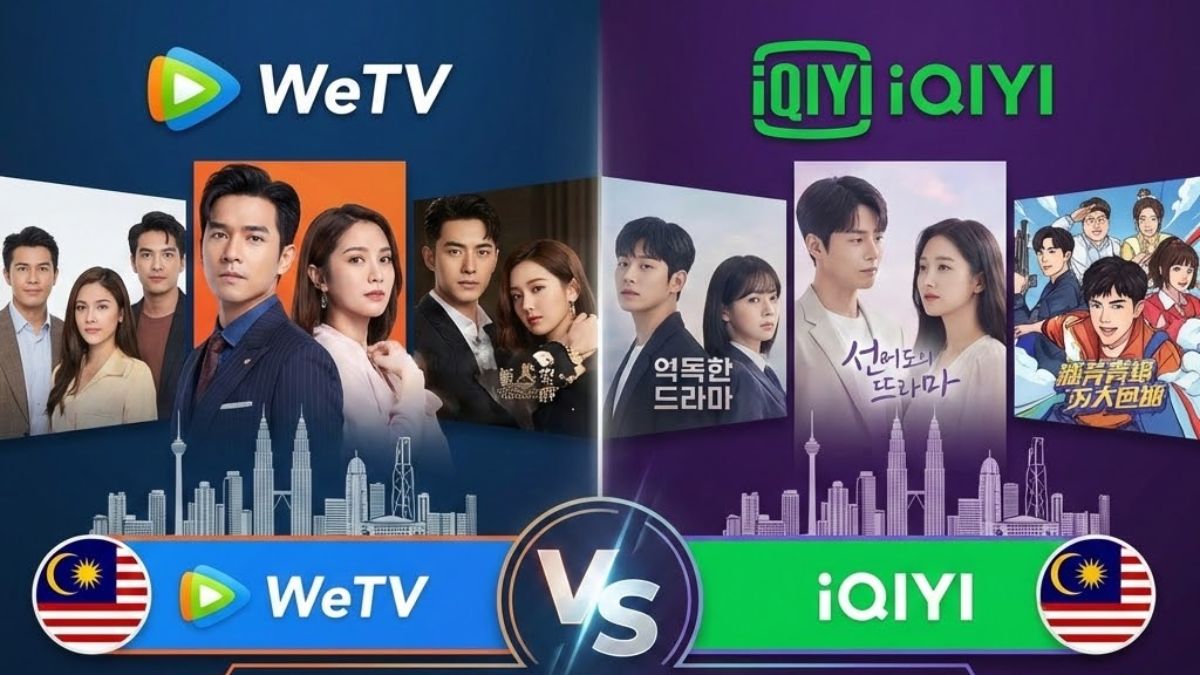
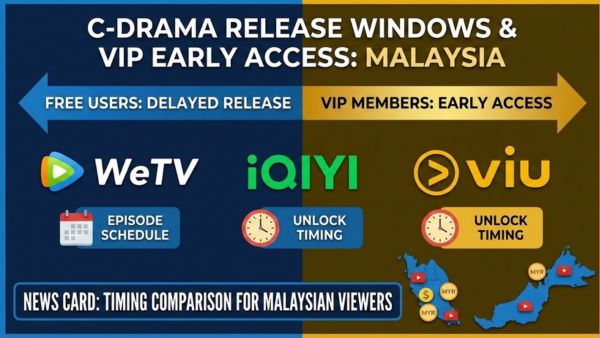
WeTV is the undisputed heavyweight for massive Chinese IPs. If you are tracking high-budget costume dramas (Xianxia), modern idol romances, or competitive mainland reality shows, WeTV is an essential install. Their VIP model is highly aggressive, often utilizing "Fast Track" features that allow paying members to unlock finale episodes weeks before free users.
3. iQIYI: Premium Suspense and Variety
Often considered the direct rival to WeTV, Baidu-backed iQIYI balances its offering of historical romances with its critically acclaimed "Light On" theater—a collection of gritty, short-episode suspense thrillers. iQIYI also aggressively courts the Malaysian market with localized original content and exclusive anime libraries, making it a diverse "all-rounder."
4. Astro GO and Sooka: The Local Bridges
Astro remains a legacy powerhouse, and its Astro GO companion app bridges the gap for households transitioning to digital. Meanwhile, Sooka (also under the Astro umbrella) targets millennials and Gen Z with a mobile-first approach, offering live sports (like the English Premier League and Liga Malaysia) alongside premium local entertainment without the need for a physical decoder contract.
Subtitles: The Ultimate Retention Tool
In a multilingual country like Malaysia, the quality of localization dictates a platform's survival. High-definition video is useless if the jokes don't land. Quality English, Bahasa Melayu, and Simplified/Traditional Chinese subtitle tracks matter immensely.
Families often watch together across generations; a C-drama might be viewed with Mandarin audio and Bahasa Melayu subtitles. Clear, context-accurate translation (avoiding robotic, machine-translated idioms) translates directly into longer viewing sessions and fewer subscription cancellations. Platforms like Viu and iQIYI have dedicated massive resources to local subtitle teams to ensure cultural nuances are preserved.
The Payment Ecosystem: Telco Billing and eWallets
Western platforms often rely heavily on recurring credit card billing, which creates friction in markets with high debit and prepaid penetration. Asian streaming apps, however, have mastered the art of micro-transactions and localized payment gateways.
Direct Carrier Billing
Partnerships with major telcos allow users to charge their monthly VIP subscriptions directly to their Maxis, CelcomDigi, or U Mobile postpaid bills, or deduct it straight from their prepaid credit. This removes the need for banking details entirely, capturing a younger demographic.
e-Wallet Dominance
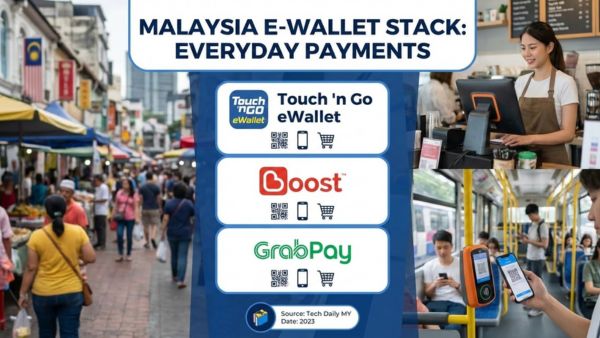
Deep integrations with local digital wallets make impulse VIP upgrades frictionless. Touch 'n Go eWallet, Boost, and GrabPay are heavily featured on the checkout screens of WeTV and iQIYI. Furthermore, these e-wallets frequently run cashback campaigns or offer "A+ Rewards" vouchers, effectively slashing the price of an annual streaming pass during festive seasons like Hari Raya and Chinese New Year.
(Editor's tip: To avoid recurring subscription traps, funnel your streaming payments through a wallet that provides clear push notifications. Read our companion guide on Touch 'n Go eWallet updates to understand why digital receipt tracking matters.)
Device Habits: Mobile vs. The Smart TV
While mobile phones dictate the commute, the Malaysian living room has quietly undergone a Smart TV revolution. Affordable Android TVs from brands like Xiaomi, Hisense, and TCL have flooded the market. Consequently, users are now demanding robust Smart TV apps from their streaming providers.
This has sparked a new battleground: the "TV casting" paywall. Some platforms now restrict 1080p TV casting or native Smart TV app logins to their higher-tier VIP plans, pushing users who want a cinematic living room experience to upgrade from basic mobile-only packages.
Conclusion: Building Your Custom Bundle
The era of buying a single entertainment package is over. Today’s smart Malaysian consumer rotates their subscriptions based on seasonal releases. You might activate Viu for a trending K-drama in March, pause it to unlock WeTV for a massive summer Xianxia release, and keep a base Netflix tier for weekend movies.
By leveraging e-wallet promos, understanding your telco bundle perks, and tracking subtitle quality, you can build a premium, multi-platform entertainment stack for less than the cost of a legacy satellite package.
Next steps: Compare the two biggest Mandarin platforms directly in our WeTV vs iQIYI for Malaysian viewers guide, or revisit the DimSum News homepage for fresh app economy headlines.